PROPOSITION
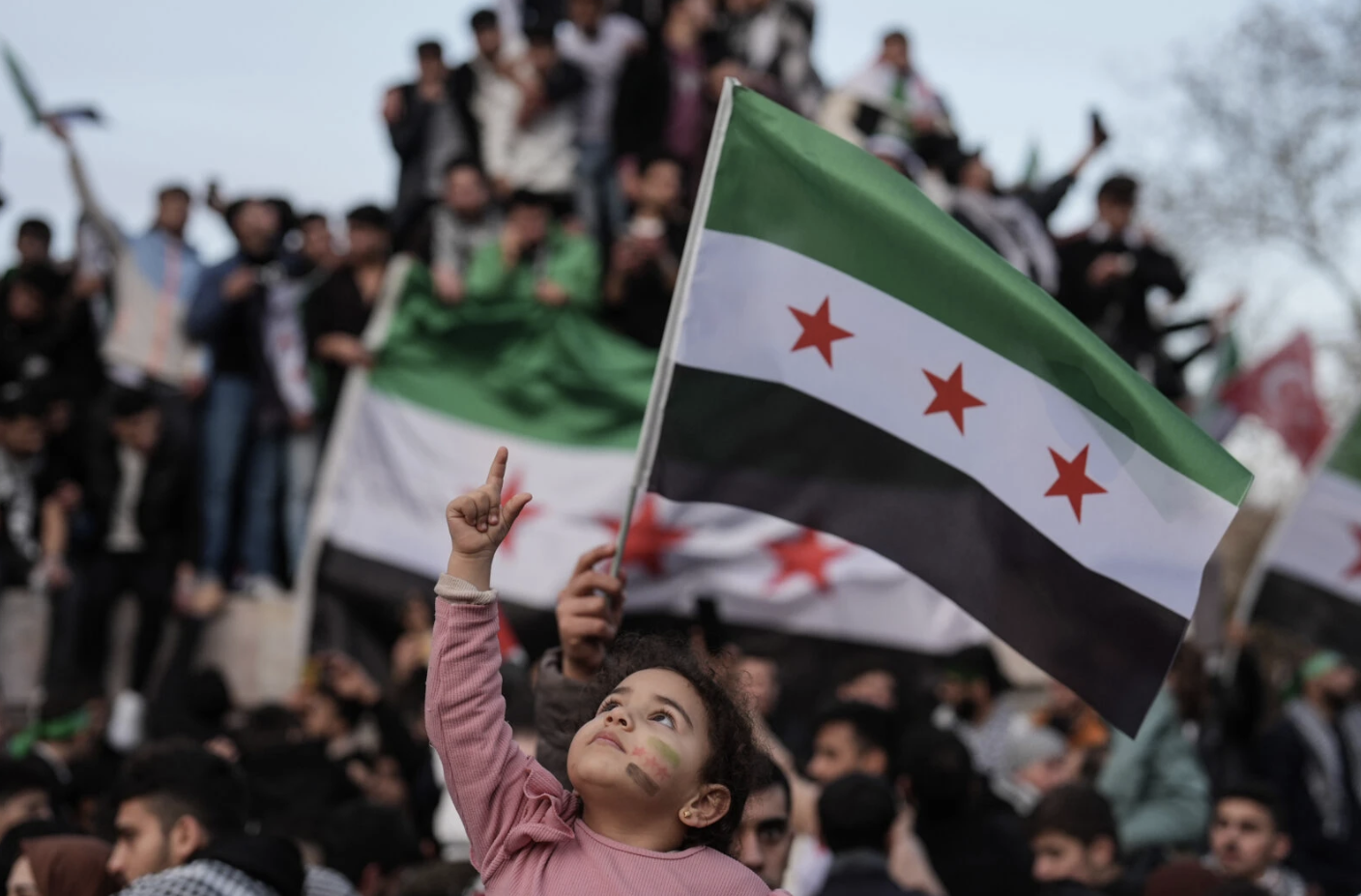
Syria’s state-building process IS moving towards democracy
OPPOSITION
Syria’s state-building process is NOT moving towards democracy
PROPOSITION
Syria’s state-building process IS moving towards democracy
OPPOSITION
Syria’s state-building process is NOT moving towards democracy
PROPOSITION
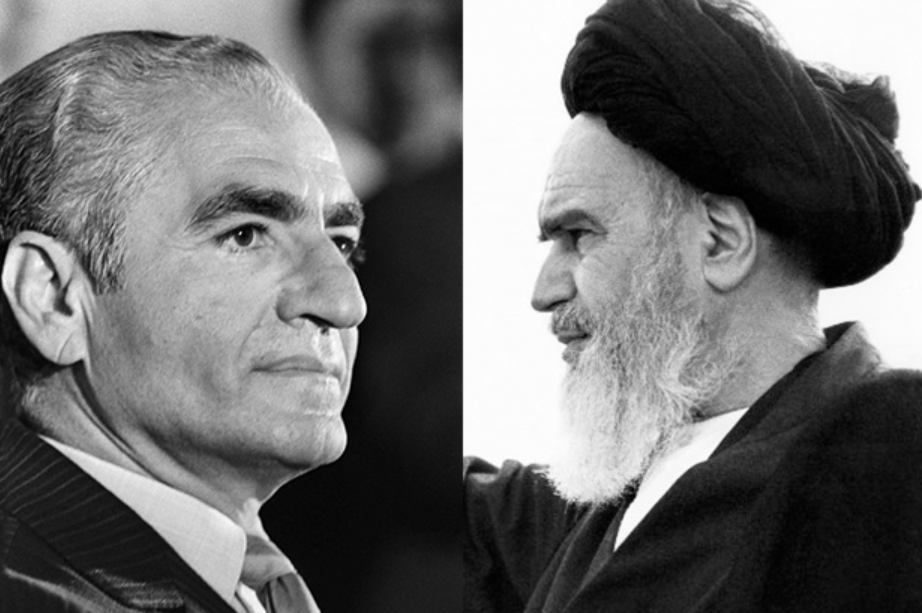
Iran has exhausted its reformist cycle. Political change will only reconfigure the regime rather than transform it.
OPPOSITION
Iran has not exhausted its reformist cycle. Institutional change within the system remains possible.
PROPOSITION
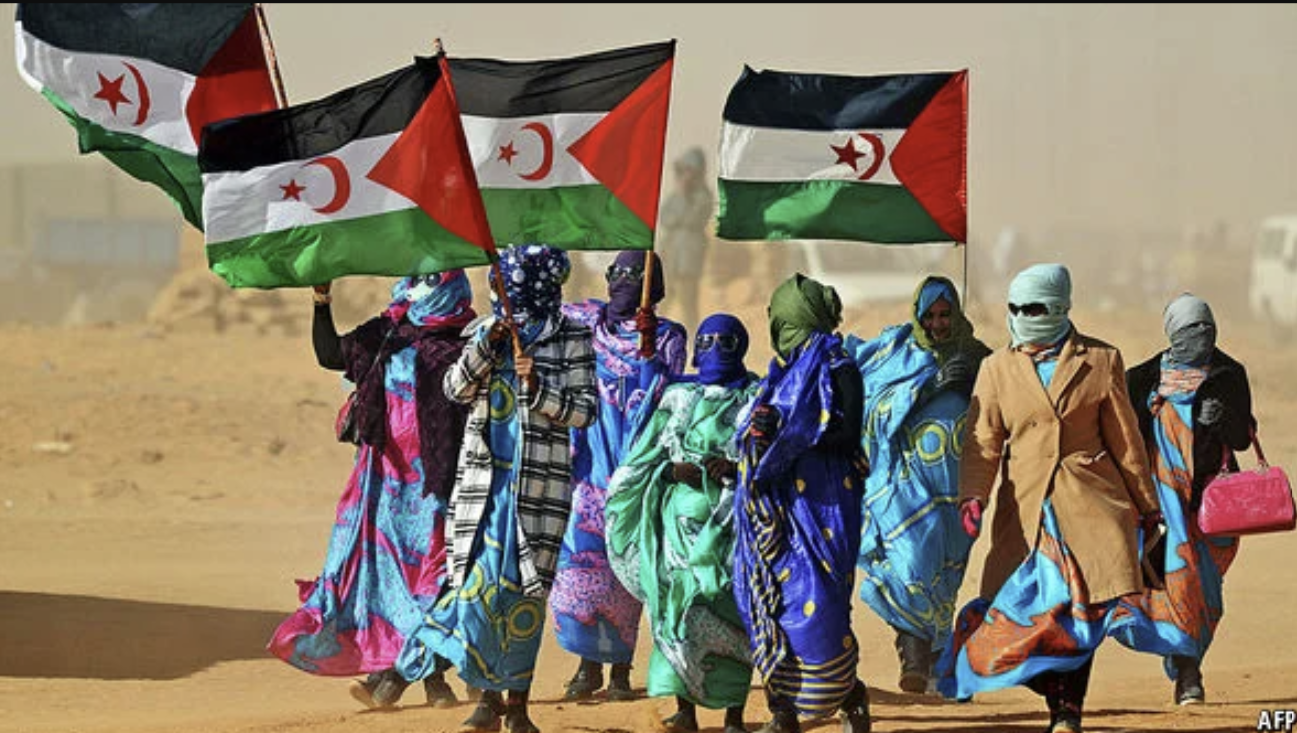
La décision du Conseil de sécurité de l’ONU favorisait la stabilité.
OPPOSITION
La décision du Conseil de sécurité n’était pas favorable à la stabilité.
PROPOSITION
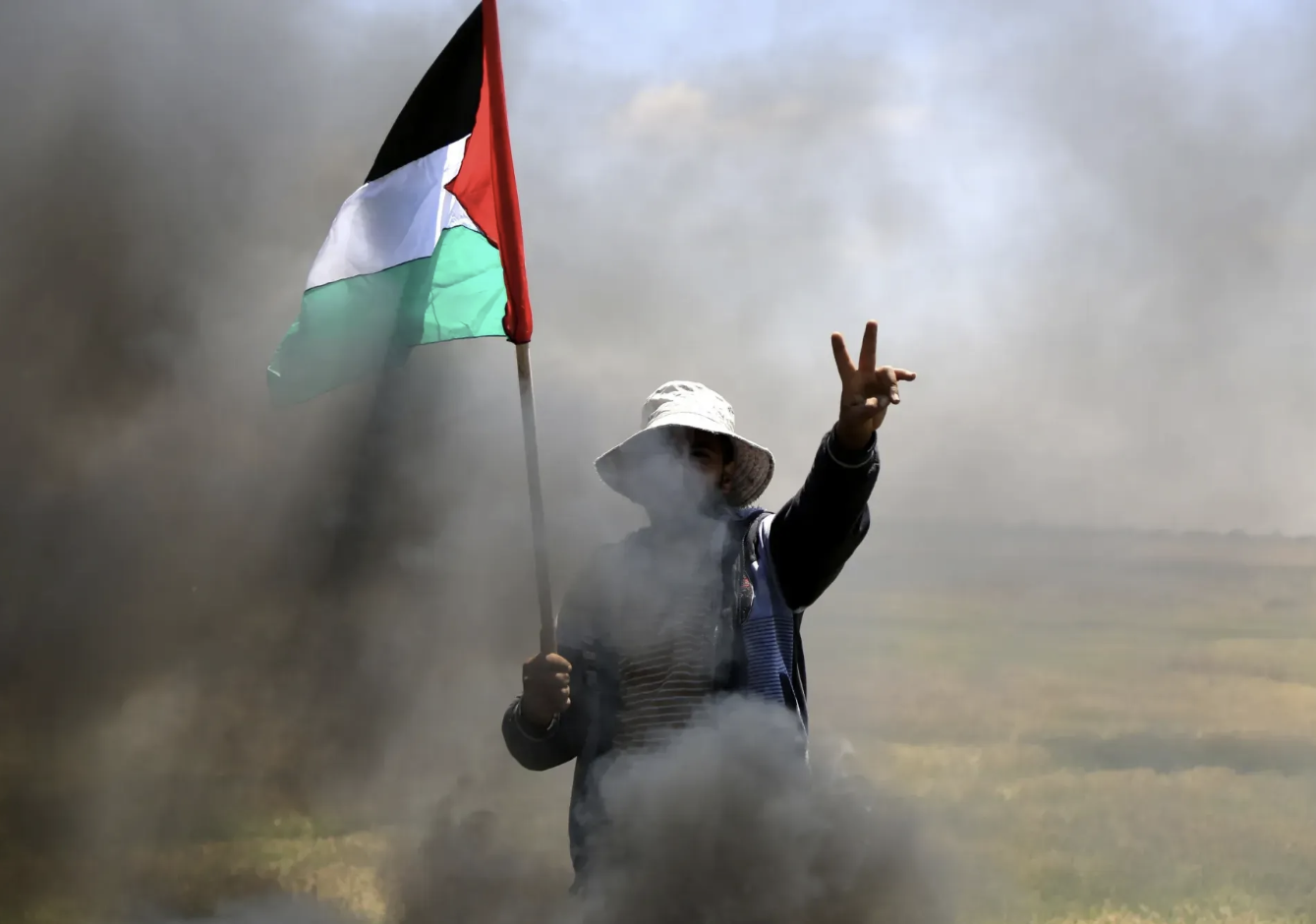
Foreign mediation was SUCCESSFUL in facilitating peace-making. Foreign mediation enabled dialogue, international recognition, and prevented total escalation.
OPPOSITION
Foreign mediation was NOT SUCCESSFUL in facilitating peace making in Palestine but instead OBSTRUCTING it. Foreign mediation reinforced occupation, excluded Palestinian agency, and failed to deliver peace.
PROPOSITION
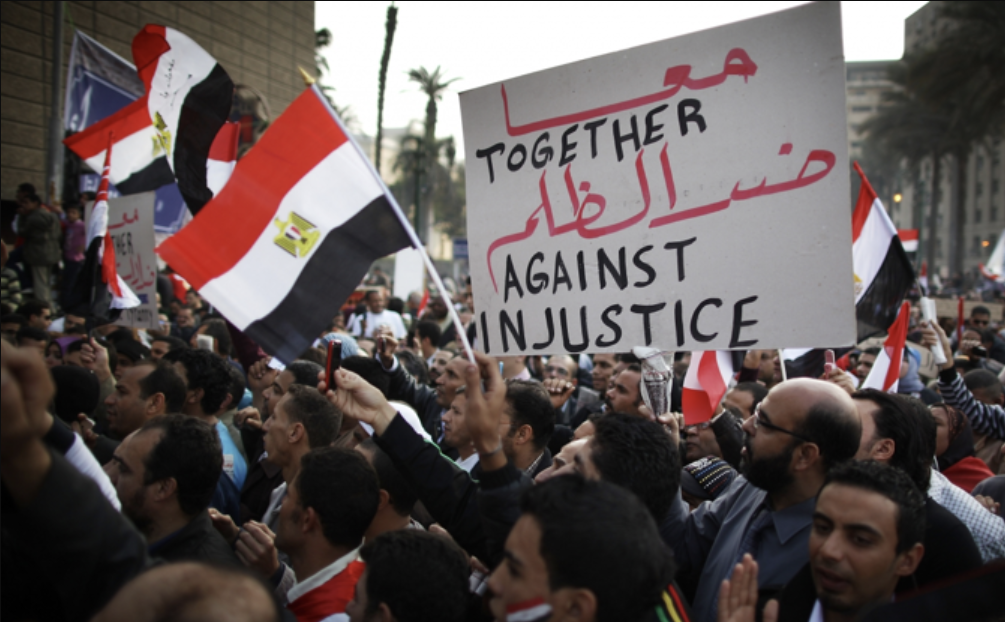
The Arab Spring was successful in achieving its intended goals of inspiring political change, toppling dictators, and sparking democratic movements.
OPPOSITION
The Arab Spring was NOT successful in achieving its intended goals of producing lasting stability, it worsened conflict in countries, and fell short of meaningful reform.
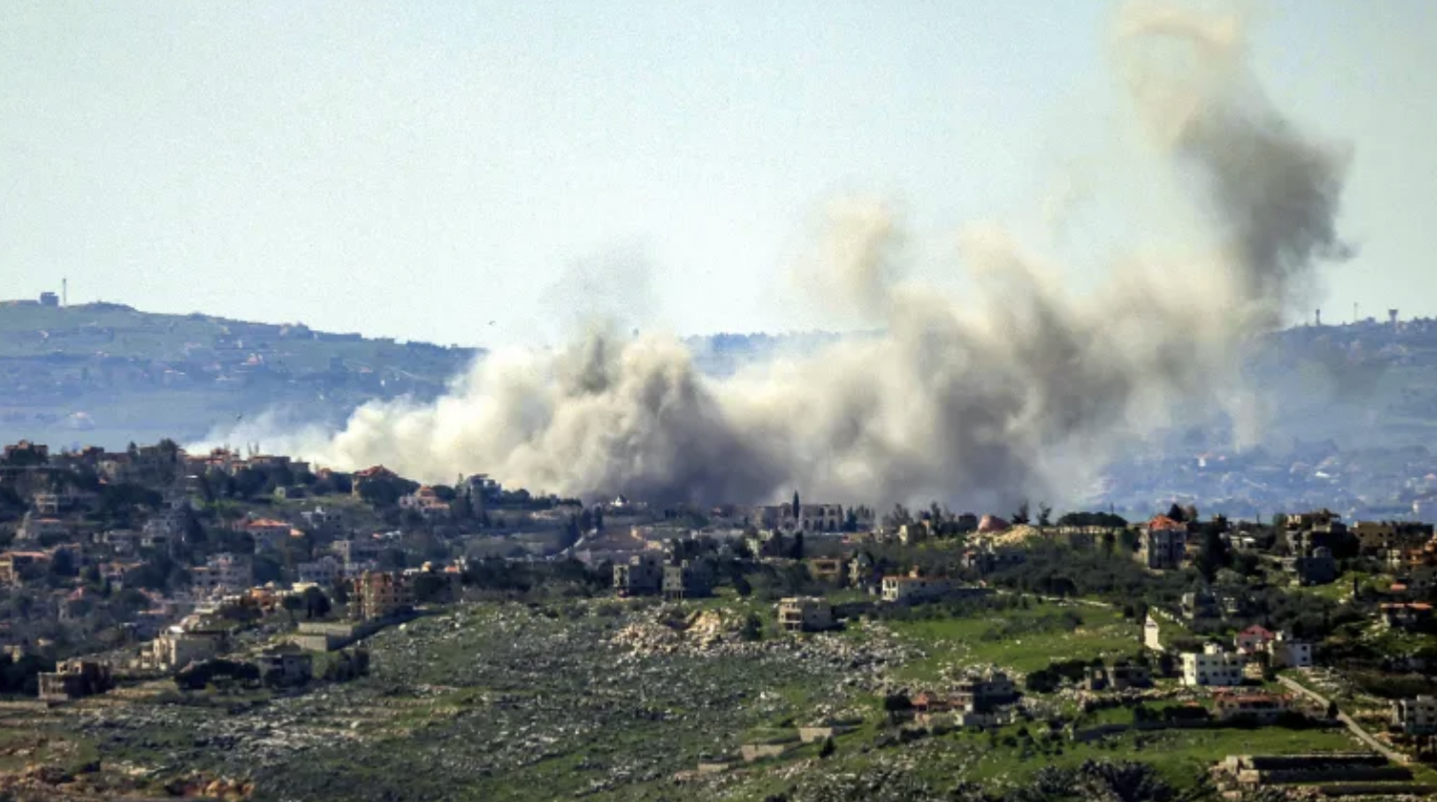
As the world perpetually mires its eyes on the aggressions waged by the Trump administration on the Islamic Republic in Iran, another regional theater is left mainly uncovered and unnoticed by most major western media outlets: South Lebanon.
A new round of confrontations on the Lebanese front has been instigated through Hezbollah launching 6 missiles across the southern Lebanese border on the night between March 1st and March 2nd, 2026. It has officially declared that it had joined the larger regional war in retaliation for Iranian Supreme Leader Ali Khamenei’s assassination with local sympathizers and supporters pointing to Israel’s multiple attacks and missile strikes on Lebanon since signing the 2024 war ceasefire on November 27th of that year.
This has since been followed by a series of Israeli strikes all over Lebanese territory and Hezbollah salvo launches in addition to consequential acts of displacement on the civilian front: since March 2nd, the IDF has issued official warnings through their X accounts to demand that Lebanese civilians leave all of South Lebanon up until the Litani and then the Zahrani rivers, as well as most of Beirut’s southern suburbs, which have been struck with missile strikes on an almost daily basis.
This has caused a phenomenon of mass displacement of approximately one million Lebanese civilians, all refugees from the South, the Bekaa valley or the Southern Suburbs. Humanitarian organizations describe the ongoing situation as “catastrophic” and “unsustainable”, with increasing pressure caused by external and internal actors encouraging civil strife as well as the IDF’s systemic destruction of vital infrastructure (bridges, highways), thus isolating Southern Lebanon from the rest of the country.
From the Israeli side of the discourse, pressure mounts on the Netanyahu government as another war effort is forcing Israeli citizens to evacuate their northern settlements on the Lebanese border, thus repeating a scenario similar to Hezbollah’s first support front for Hamas which opened on October 8th, 2023 during which tit-for-tat missile exchanges leading to the 2024 Israel-Hezbollah war had resulted in a similar flux of displacement. Current serving ministers such as Israel Katz, Bezalel Smotrich and Itamar Ben-Gvir, remain steadfast on their known stances of expanding Israeli territory to the Litani river, which has been a consistent point of reference for recent displacement warnings. No official statements of intent have been released by the IDF so far regarding a permanent Israeli presence up to the Litani, but recent speculations have been pointing towards turning much of South Lebanon into an uninhabited and uninhabitable no-man’s-land with an Israeli-controlled buffer zone by the border. Reports on the ground have been describing southern border villages such as Maroun Al-Ras as completely destroyed, with long-term plans of not allowing its residents to come back and rebuild under the pretext of not giving Hezbollah a chance of secretly building outposts and bases along the border despite the 2024 ceasefire agreement which asks of the Lebanese Armed Forces to disarm all Hezbollah infrastructure below the Litani and agree on a total disarmament of Hezbollah.
With the fate of Lebanon now indefinitely connected to that of an entire region which has been set ablaze, this country of eternal destruction and ensuing resurrection will have to bear the brunt of current suffocating conditions, demanding neighbors and a load of internal and historical wounds that have been left very much open.
Al Jazeera. “Israeli Attacks, Threats Fuel Mass Displacement Crisis in Southern Lebanon.” March 4, 2026. https://www.aljazeera.com/news/2026/3/4/israeli-attacks-threats-fuel-mass-displacement-crisis-in-southern-lebanon.
Al Jazeera. “Israel’s Unending Attacks in Lebanon Push Country’s Population to the Brink.” March 28, 2026. https://www.aljazeera.com/features/2026/3/28/israels-unending-attacks-in-lebanon-push-countrys-population-to-the-brink.
Centre for Information Resilience. “Escalating Israeli Military Activity in Lebanon.” March 2026. https://www.info-res.org/articles/escalating-israeli-military-activity-in-lebanon/.
European External Action Service (EEAS). “Lebanon: Statement by the High Representative on the Recent Developments.” March 2026. https://www.eeas.europa.eu/eeas/lebanon-statement-high-representative-recent-developments_en.
Haaretz. “Israel to Hold Southern Lebanon, Block Residents’ Return, Defense Minister Says.” March 24, 2026. https://www.haaretz.com/israel-news/israel-security/2026-03-24/ty-article/israel-to-hold-southern-lebanon-block-residents-return-defense-minister-says/0000019d-1f6a-d7c1-a59f-df7b2cd60000
International Crisis Group. “A Sprawling Middle East War Explodes.” March 2026. https://www.crisisgroup.org/cmt/middle-east-north-africa/iran-israelpalestine-united-states/sprawling-middle-east-war-explodes/.
Jerusalem Post Opinion. “Beyond Buffer Zones: Southern Lebanon May Need a Permanent Israeli Presence.” The Jerusalem Post, March 21, 2026. https://www.jpost.com/opinion/article-890444.
LBCI Lebanon. “Lebanon’s Army, Security Forces Intensify Operations as Displacement Pressures Mount.” March 27, 2026. https://www.lbcgroup.tv/news/news-bulletin-reports/918965/lebanons-army-security-forces-intensify-operations-as-displacement-pre/en.
“Lebanese Newspaper L’Orient-Le Jour Reported That al-Rahi Was Killed When an Israeli Tank Fired.” L’Orient Today, March 10, 2026. https://today.lorientlejour.com/.
Naharnet. “Lebanon Registers More than One Million Displaced in Israel-Hezbollah War.” March 16, 2026. https://www.naharnet.com/stories/en/318993-lebanon-registers-more-than-one-million-displaced-in-israel-hezbollah-war.
United Nations High Commissioner for Refugees (UNHCR). “UNHCR Calls for Urgent Support in Lebanon as Humanitarian Catastrophe Looms.” March 27, 2026. https://www.globalsecurity.org/military/library/news/2026/03/mil-260327-unhcr01.htm.
United Nations News. “Nearly 700,000 Displaced in Lebanon as Middle East Crisis Escalates.” March 8, 2026. https://news.un.org/en/story/2026/03/1167098.
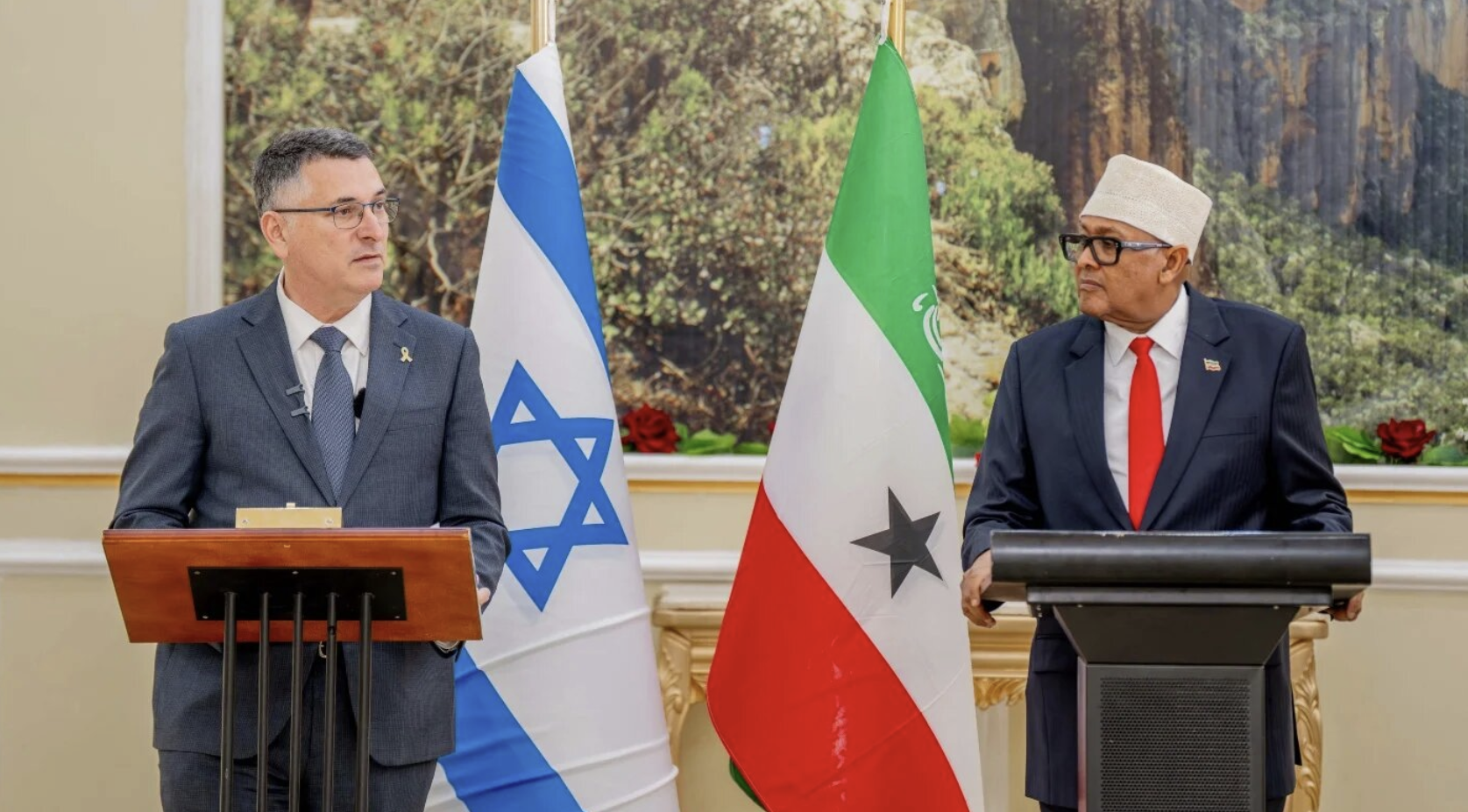
The recent recognition of the State of Somaliland–a breakaway autonomous region of Somalia– by the State of Israel, is a transactional step forwarding Israeli strategic interests in Africa. The recognition occurs in the context of Somalia’s stagnating economy and limited outreach to Somaliland, which has acted as a de facto autonomous state entity since 1991, following a civil war. A key factor behind Israel’s decision is its proximity to the Houthi-controlled parts of Yemen–especially the Bab-al-Mandeb strait–which has been a key strategic theater of Houthi activities for disrupting the flow of commerce in retaliation against Israeli attacks on Houthi allies.
The Israeli recognition of Somaliland was followed by a multitude of negative responses from neighboring countries. Qatar and Jordan, in a public statement including 20 other states, strongly condemned the decision, describing it as a flagrant violation of international law. Some diplomatic and political actors also mention an ulterior motive being the displacement of Palestinians into areas like Somaliland where agreements of the sort could be made. This tension has validated feelings of uncertainty with some of Israel’s local strategic allies, including Egypt, who has been pointing out Israeli ambitions to monopolize control of commercial routes on the Red Sea and security hegemony near the Bab-al-Mandeb area.
These sentiments were not shared however, by the UAE, who had been deepening ties with Somaliland and allowing access to Emirati infrastructure, stoking diplomatic tensions with the government of Somalia. The targeting of weak central governments to incite separatist movements and form geopolitical allies is thus headed by Israel and the UAE, who together form an ‘Axis of Secession”. These decisions position a UAE-allied Somaliland against Emirati targets in the southern Houthi-controlled parts of Yemen. The recognition of Somaliland thus marks the dwindling subtleties of liberalism in the world order, and their outdoing by overt interventionism for strategic and financial benefit.
Al Jazeera. “Israel’s Somaliland Move All about ‘Strategic Objectives’: Somali President.” Al Jazeera, December 30, 2025.
https://www.aljazeera.com/news/2025/12/31/israels-recognition-of-somaliland-strange-unexpected-somali-president.
Atlas Institute for International Affairs. “Israel’s Recognition of Somaliland and Its Implications for Regional Peace and Development.” Atlas Institute, January 21, 2026.
https://atlasinstitute.org/israels-recognition-of-somaliland-and-its-implications-for-regional-peace-and-development.
BBC News. “Why Israel’s Recognition of Somaliland as an Independent State Is Causing Uproar.” BBC News, December 29, 2025.
https://www.bbc.com/news/articles/c14v4kmg275o.
CNN. “Israel Becomes First Country to Formally Recognize Somaliland as Independent State.” CNN, December 26, 2025.
https://www.cnn.com/2025/12/26/africa/israel-recognizes-somaliland-latam-intl.
The Conversation. “Israel’s Recognition of Somaliland: The Strategic Calculations at Play.” The Conversation, January 25, 2026.
https://theconversation.com/israels-recognition-of-somaliland-the-strategic-calculations-at-play-273817.
Times of Israel. “Israel Becomes First Country to Recognize Breakaway Somaliland as Independent State.” Times of Israel, December 26, 2025.
https://www.timesofisrael.com/israel-becomes-first-country-to-recognize-breakaway-somaliland-as-independent-state.
Vision for Political Development. “Israel’s Recognition of ‘Somaliland’ as a Struggle for Influence in the Region.” Vision for Political Development, February 8, 2026.
https://vision-pd.org/en/israels-recognition-of-somaliland-as-a-struggle-for-influence-in-the-region.
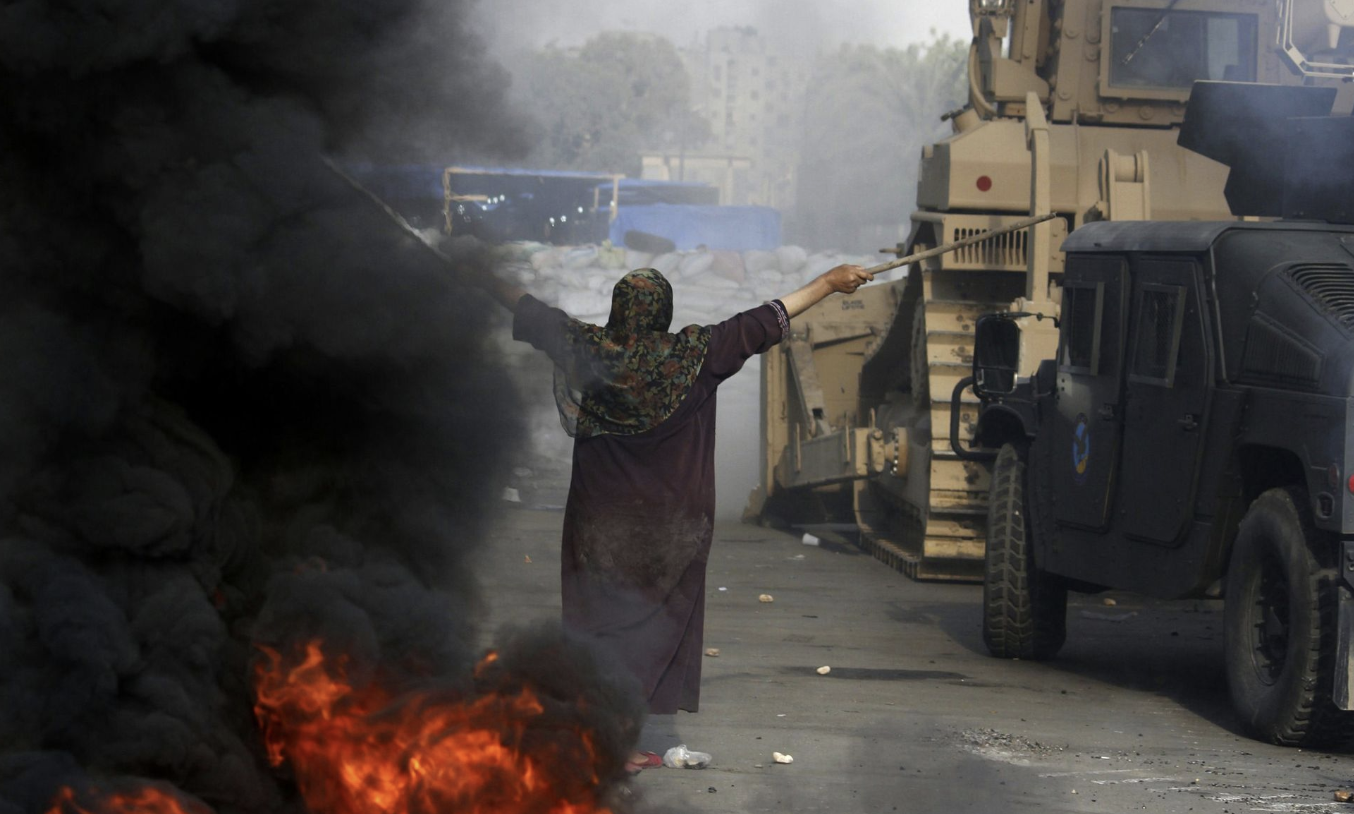
On 14 August 2013, Egyptian police and the armed forces under then–Defense Minister Abdel Fattah el-Sisi used lethal force to clear two protest camps in Cairo. For six weeks, Rabaa al-Adawiya and al-Nahda Squares had been occupied by supporters of President Mohamed Morsi, removed by a military coup one month earlier after mass protests against his rule. Attempts to end the sit-ins peacefully had failed. Within hours, both camps were cleared through mass killing of those who stayed.
Twelve years ago, the Rabia massacre took place in Egypt. We remember it not for its politics, but because it marked a national trauma: a clear line crossed in the human right to free expression. The collapse of the state’s tolerance for dissent was broadcast across the nation, which arguably set the tone for how any opposition would be treated during the early years of Sisi’s rule, and some framed it as a heroic act.
Beyond the structural imprisonment of dissenters across Egypt’s political spectrum, often without due process or humane conditions which are less visible, the Rabia massacre may mark a precedent of generalized deterrence: if it can happen to some, it can happen to anyone.
One can interpret the broadcasting of the bloodshed as orchestrated national trauma, comparable to the Wall in The Handmaid’s Tale, and as a calculated display of deterrence. Whether it was calculated or not, visible punishment reduces the likelihood of future opposition in Egypt.
One can view the massacre as a precedent-setting event. Once extraordinary repression becomes normal, it can be applied to any group. The boundaries between struggles dissolve, and the result is that across Egypt’s political spectrum, silence has become the safest political strategy.
We remember the Rabia massacre not for its politics, but because we cannot allow it to set a precedent for limiting expression. Whether pro-Sisi, pro-Ikhwan, or holding any other position on the Egyptian political spectrum, the mass killing of people should never be accepted, let alone celebrated.
From a realist perspective, the Rabia massacre was not only about the political moment but about creating an enduring deterrent. The deterrent appears to have succeeded: the political sphere in Egypt remains shaped by calculated silence, where speech carries not only cost but final cost.
“‘Turning Point’: What Happened during Egypt’s Rabaa Massacre 10 Years Ago?” 2023. Al Jazeera. August 14, 2023. https://www.aljazeera.com/news/2023/8/14/turning-point-what-happened-during-egypts-rabaa-massacre-10-years-ago.
Michaelson, Ruth . 2020. “Threat of Jail Looms over Even Mildest Critics under Egyptian Crackdown.” The Guardian. January 24, 2020. https://www.theguardian.com/world/2020/jan/24/threat-of-jail-shapes-egyptian-lives-nine-years-after-uprising.
Nouran El-Behairy. 2013. “Dailynewsegypt.” Daily News Egypt – Egypt’s Only Daily Independent Newspaper in English. June 28, 2013. https://www.dailynewsegypt.com/2013/06/28/islamist-forces-join-together-for-rabaa-al-adaweya-protest/.
This year, British journalist Louis Théroux appeared in a documentary titled The Settlers. The documentary investigates the beliefs of right-wing settlers in the West Bank, including those of Daniella Weiss– who is also known as the “godmother” of the settler movement in Israel. Weiss ‘ ultimate aim is to entirely replace Palestinian populations in the West Bank and Gaza with illegal Israeli settlements, until the region they refer to as “Judea and Samaria” is entirely Israeli-ruled. The documentary captures these sentiments as Théroux follows Weiss across settlements and to meetings. In one scene, a rabbi leads a prayer with Weiss and her supporters for Gaza to be “cleansed” of its “camel-riders” on a hill overlooking the warzone.
It is difficult for Western liberalism and its affinity for international law and human rights not to compartmentalize Weiss and her counterparts as fringe extremists who do not represent the future of Israeli politics. However, the longstanding Western belief that Israel, a formidable Western proxy, is institutionally compatible with such liberal orientations, must be reconsidered in the face of Gazan starvation and unending war. In response, Western states are only just beginning to reckon with the possibility of enforcing a two-state solution, despite the fact that a grander plan for the Palestinian future, headed by the parliament, has already begun to unfold.
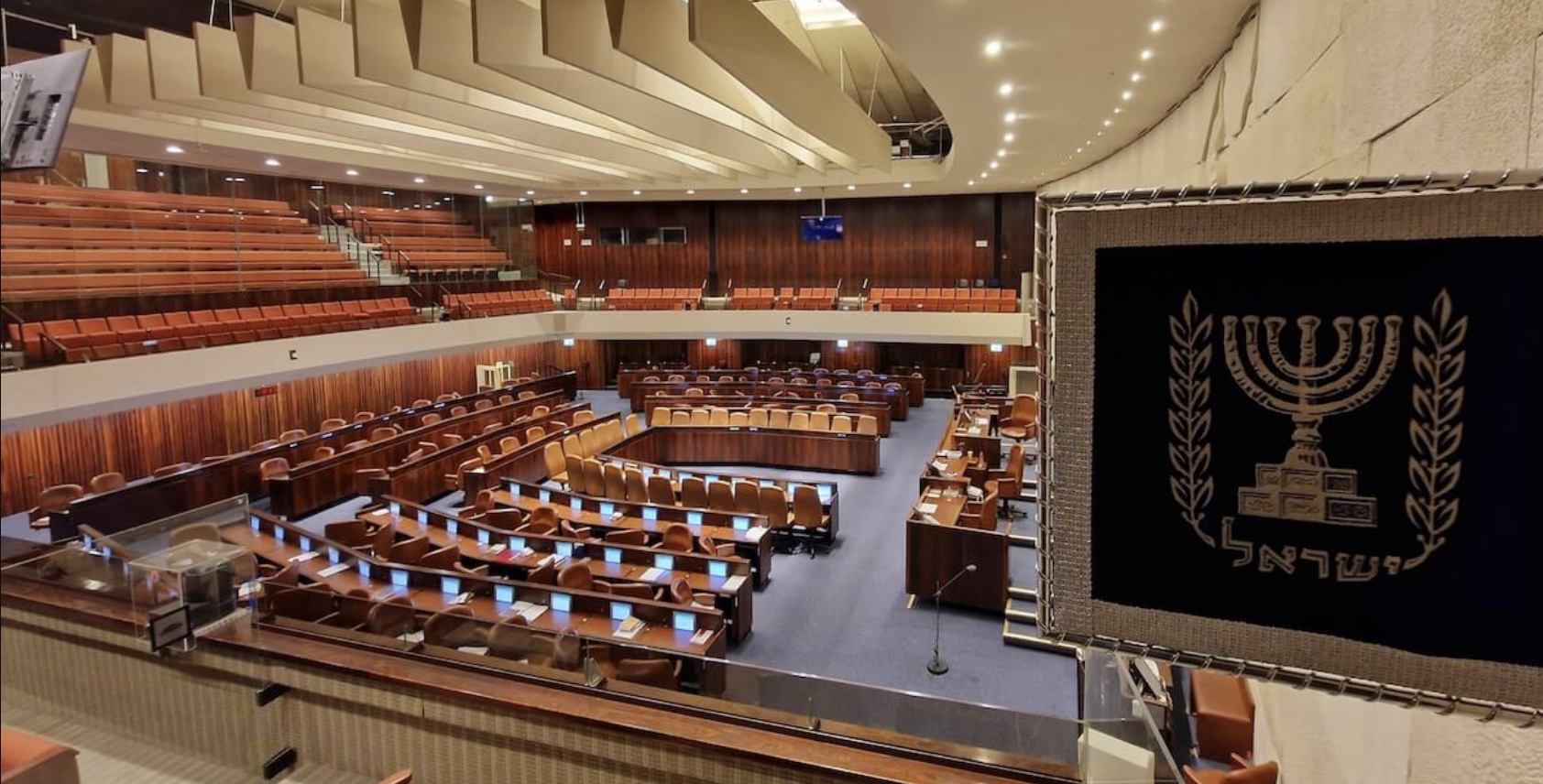
On July 23, 2025, the Knesset passed a motion to annex the West Bank. The specific aim of this resolution, which passed 71-13, is to apply Israeli sovereignty to “Judea, Samaria and the Jordan Valley”. This decision was followed by Benjamin Netanyahu’s plan to take indefinite control of Gaza City. The conditional plans voiced by Western powers like Canada, the UK, and France to recognize Palestinian sovereignty thus stand in strong contrast to Israel’s increasingly less subtle goal of barring any possibility of Palestinian statehood.
Although Netanyahu has not openly voiced an intention to annex Gaza or the West Bank, those in his cabinet have. Minister of Finance Bezalel Smotrich called for Trump’s administration to support Israeli sovereignty over the West Bank after the US election. He recently voiced his vision for Israel to annex Gaza and “open its gates to voluntary emigration”. Itamar Ben Gvir, Minister of National Security, broke a historic status-quo agreement last week by entering the Al-Aqsa Mosque compound where he also called for the Israeli government to encourage “voluntary emigration” of Palestinians from Gaza. Both ministers are Weiss’ strongest political allies, and have played major roles in sponsoring settler violence and expansion that has displaced and killed thousands of Palestinians.
“Enabled” or “voluntary emigration” is a tactic of increasing pressure and intimidation in an area until Palestinians are forced to flee. Over 1800 settler attacks on Palestinians have taken place since October 7, resulting in over a thousand deaths. Aside from state-sanctioned violence, displacement is facilitated by policy. In July, another motion passed for demolitions of Palestinian homes in areas A and B of the West Bank, violating the Oslo Accords that designated them to be under Palestinian control. This week, Israel introduced the E1 plan, which would expand a large illegal settlement to cut through Palestinian communities to East Jerusalem. This will add to the over forty-thousand who have already been displaced this year alone, more than in any year since Israel took control of the region in 1967. The recent resolution for West Bank annexation is thus not as symbolic as it seems, and any new notions of Palestinian statehood are gravely jeopardized.
The recent meeting on a two-state solution, co-hosted by France and Saudi Arabia, was notably boycotted by both Israel and the United States. Unsurprisingly, international appeals for Israel to halt illegal settlement expansion have continued to be ignored. The states making these demands, specifically France and the United Kingdom, once wielded the authority to cleave borders and determine sovereignty in the Middle East, undermining Palestinian statehood through the Sykes-Picot agreement. Almost a century later, amid ethnic cleansing and the threat of total erasure, they entreat a nuclear power to reconsider a scheme that has for years been in rapid motion and is only accelerating.
Returning to the example of The Settlers, Weiss is succinct, “We want to close the option for a Palestinian state, and the world wants to leave the option open. It’s a very simple thing to understand.” This statement exemplifies the plain truth of the Israeli administration’s plan for the Palestinian future. If the international community does not make serious attempts to reverse this impending reality, Palestinian statehood will remain a pawn in negotiations that Israel and the United States do not even attend to.
Al Jazeera. “Israeli Parliament Approves Symbolic Motion on West Bank Annexation.” Al Jazeera, 23 July 2025,
www.aljazeera.com/amp/news/2025/7/23/israeli-parliament-approves-symbolic-motion-on-west-bank-annexation. Accessed 16 Aug. 2025.
— — —. “Israeli Settler Accused of Killing Palestinian Activist out on House Arrest.” Al Jazeera, 29 July 2025,
www.aljazeera.com/amp/news/2025/7/29/israeli-settler-kills-west-bank-activist-who-worked-on-oscar-winning-film. Accessed 16 Aug. 2025.
BBC News. “What Does Recognising a Palestinian State Mean?” BBC News,
www.bbc.com/news/articles/cvgp5z1vvj5o.amp. Accessed 16 Aug. 2025.
Karni, Dana, et al. “Far-Right Israeli Minister Prays at Jerusalem’s Most Sensitive Holy Site, Breaching Decades-Old Agreement.” CNN, 3 Aug. 2025,
amp.cnn.com/cnn/2025/08/03/middleeast/itamar-ben-gvir-israel-jerusalem-intl. Accessed 16 Aug. 2025.
Landler, Mark. “Sykes-Picot, the 109-Year-Old Pact That Looms over French and British Moves to Recognize a Palestinian State.” The New York Times, 3 Aug. 2025,
www.nytimes.com/2025/08/03/world/middleeast/britan-france-palestine-sykes-picot-agreement.html. Accessed 16 Aug. 2025.
Lederer, Edith M., and Josef Federman. “What to Expect at UN Meeting on an Israel-Palestinian Two-State Solution.” AP News, 28 July 2025,
apnews.com/article/un-meeting-palestinians-twostate-israel-conflict-us-1ca1c5953ca31f76682276fa024a381b. Accessed 16 Aug. 2025.
Nashed, Mat. “Experts Say Israel’s West Bank Demolitions Aim to Drive Palestinians Away.” Al Jazeera, 3 Aug. 2025,
www.aljazeera.com/amp/features/2025/8/3/experts-say-israels-west-bank-demolitions-aim-to-drive-palestinians-away. Accessed 16 Aug. 2025.
Sabbagh, Dan. “Israel Closes down or Leaves Unresolved 88% of Cases of Alleged War Crimes or Abuse – Report.” The Guardian, 2 Aug. 2025,
www.theguardian.com/world/2025/aug/02/idf-no-fault-conclusion-alleged-war-abuse-cases-report. Accessed 16 Aug. 2025.
The Settlers. Directed by Louis Theroux, BBC Two, 2025.
Theroux, Louis. “If You Were Shocked by My Film on Israeli Settlers in the West Bank, You Haven’t Been Paying Attention.” The Guardian, 10 May 2025,
www.theguardian.com/commentisfree/2025/may/10/louis-theroux-documentary-on-israeli-settlers-in-the-west-bank. Accessed 16 Aug. 2025.
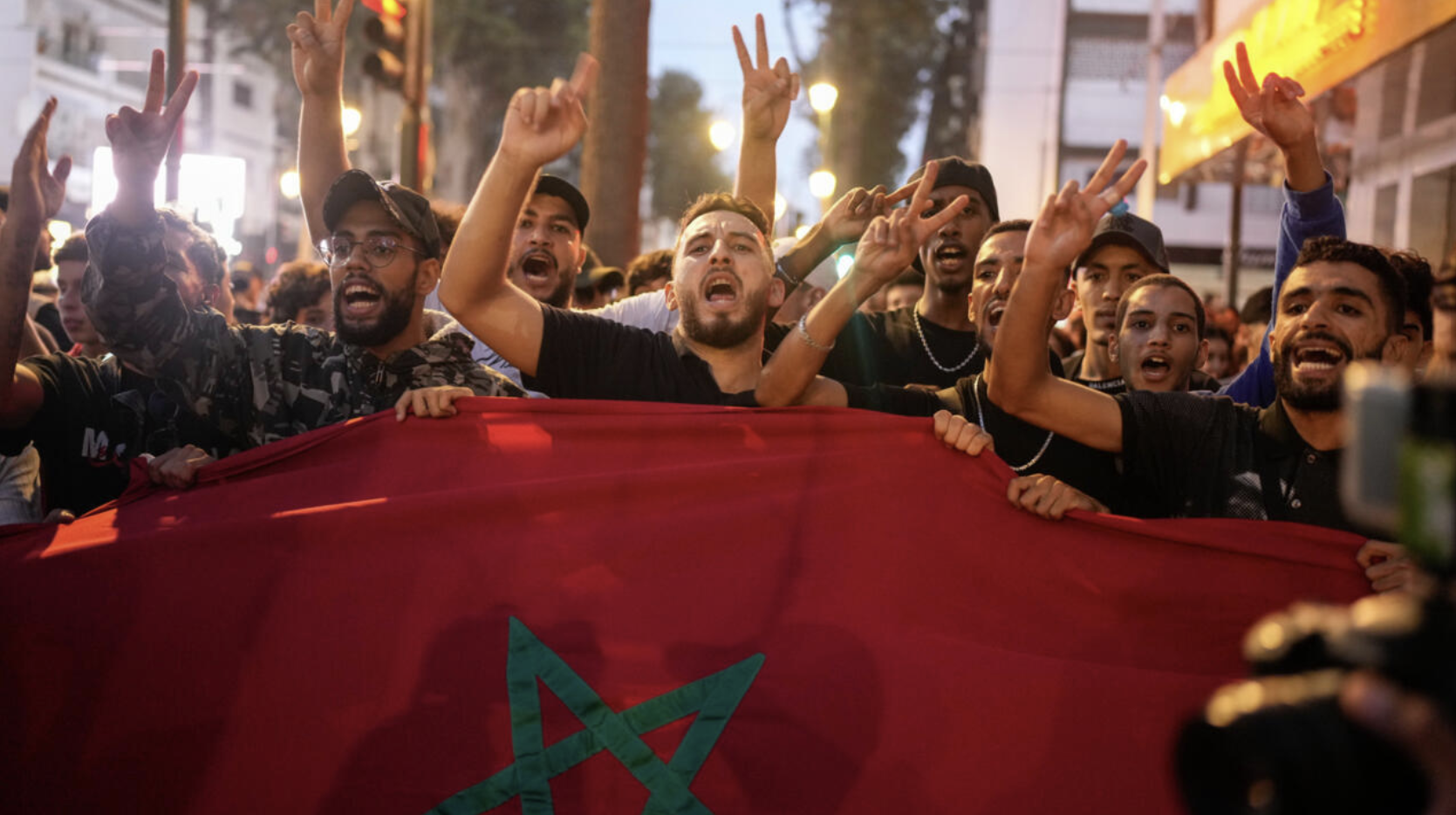
In the past few months, a handful of countries from around the world have experienced a surge in popular insurrections due to dissatisfaction with governments and public services as well as resentment against perceptibly corrupt elites. This was the case in Nepal and Madagascar during the month of September, with popular movements launched by the younger generations of citizens (especially Gen Z) leading to tangible consequences such as government resignation and mass State paralysis. In Nepal, for instance, protest movements and debates amongst the opposition’s most prominent activists were settled on servers on the Discord app, allowing for unprecedented levels of collective online organization amongst young protesters nationwide.
What followed later this month were mass protests all over Morocco and the advent of the GENZ212 movement (+212 being Morocco’s telephone country code). Multiple phenomena and countrywide issues were attributed to have caused such uprisings to take place. One of the more popular claims was about the Moroccan State’s lack of public funding of critical establishments such as schools and hospitals. A Facebook post which provided scathing criticism of a public hospital’s lack of hygiene and maintenance has since gone viral and influenced Moroccan public opinion. Another insult to injury according to many is the simultaneous undertaking of massive infrastructure projects (such as high speed railways between major cities and stadia for the 2030 FIFA World Cup) which are mainly funded by GCC countries such as Saudi Arabia and the UAE, with some mentioning Morocco’s signature of the Abraham Accords, subsequent normalization of relations with the State of Israel and manufacturing of military equipment to the latter as addition source of tension. The stark contrast between the extravagance of the Gulf-led vision for a futuristic Morocco and the reality of one of the most indebted governments in all of Africa needing the help of private individuals and companies for funding has generated massive controversy and disappointment amongst its people.
Many fear a lack of sustainability and material independence in the long term, which has been a good enough reason for them to take to the streets in the wake of ramping dissent against a royal family and a king who has maintained a religiously authoritative presence in the imagination of many Moroccans up until the recent events.
Just like in Nepal, the youth doesn’t just spread their messages in the streets of the physical world but also through social media platforms, meme pages, group chats and message broadcasts: a popular Discord server bearing the name of GEN Z’s protest movement has gained notoriety as a center to exchange ideas, visions and initiatives alongside a revolutionary assembly free of any physical realm constraint.
CBC News. “How a Gen Z Revolution Upended Nepal’s Government.” CBC News, September 24, 2025. https://www.cbc.ca/news/world/nepal-youth-protests-social-media-1.7642523
Halifax CityNews. “How Gen Z Protesters Brought Down Madagascar’s Government and Now Want the President Out.” Halifax CityNews, October 7, 2025. https://halifax.citynews.ca/2025/10/08/how-gen-z-protesters-brought-down-madagascars-government-and-now-want-the-president-out/
Middle East Council on Global Affairs (MECouncil). “Morocco’s Youth Protests and the Limits of its Governance Formula.” MECouncil, October 11, 2025. https://mecouncil.org/blog_posts/moroccos-youth-protests-and-the-limits-of-its-governance-formula/
The New Arab. “Morocco’s Gen Z Protests Expose Deadly Healthcare Crisis.” The New Arab, October 2, 2025. https://www.newarab.com/features/moroccos-gen-z-protests-expose-deadly-healthcare-crisis
Middle East Eye. “How Morocco’s High-Stakes Gamble on Israel Could Be Its Downfall.” Middle East Eye, June 3, 2025. https://www.middleeasteye.net/opinion/how-moroccos-high-stakes-gamble-israel-could-be-its-downfall
Trading Economics. “Morocco Government Debt to GDP.” Trading Economics. Accessed October 12, 2025. https://tradingeconomics.com/morocco/government-debt-to-gdp